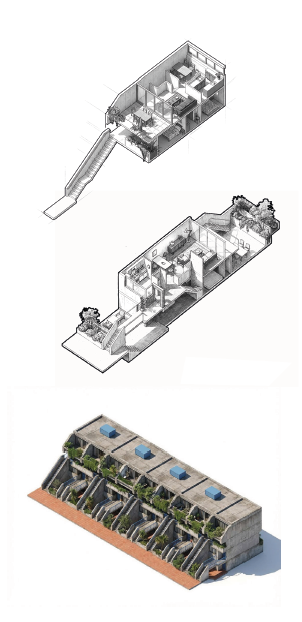
High-density, low-rise housing and the architecture of collective living
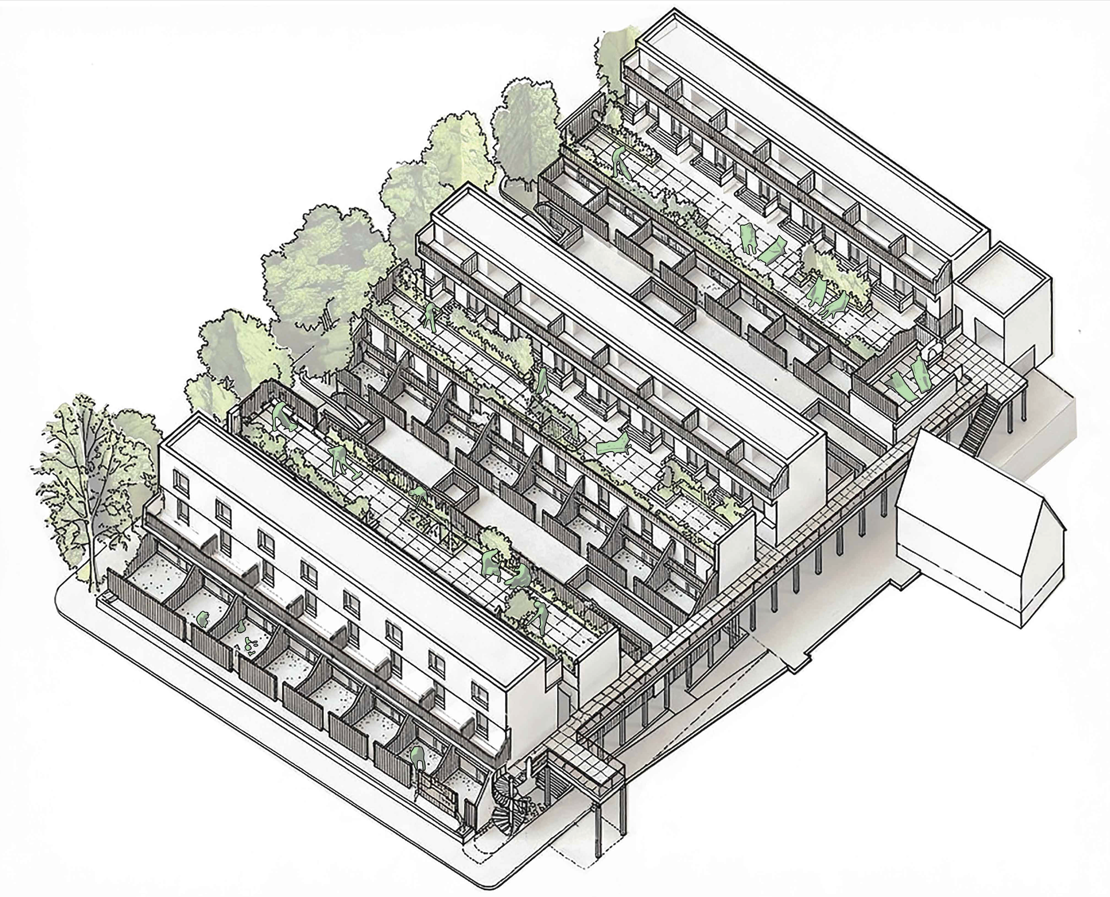
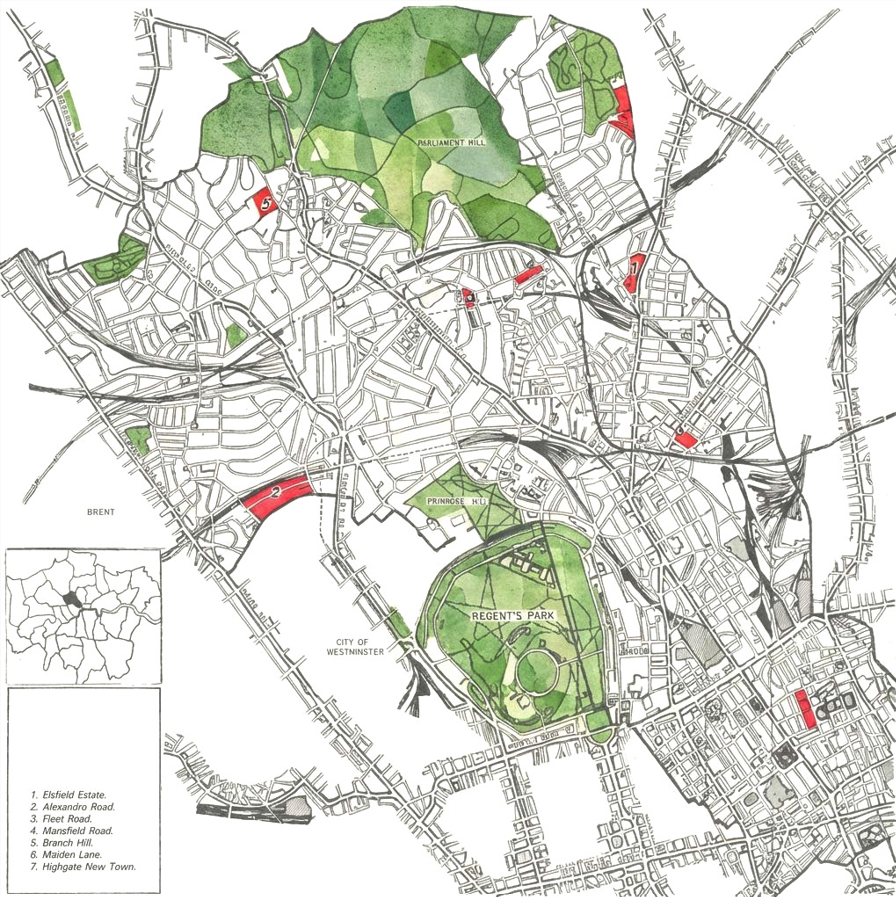
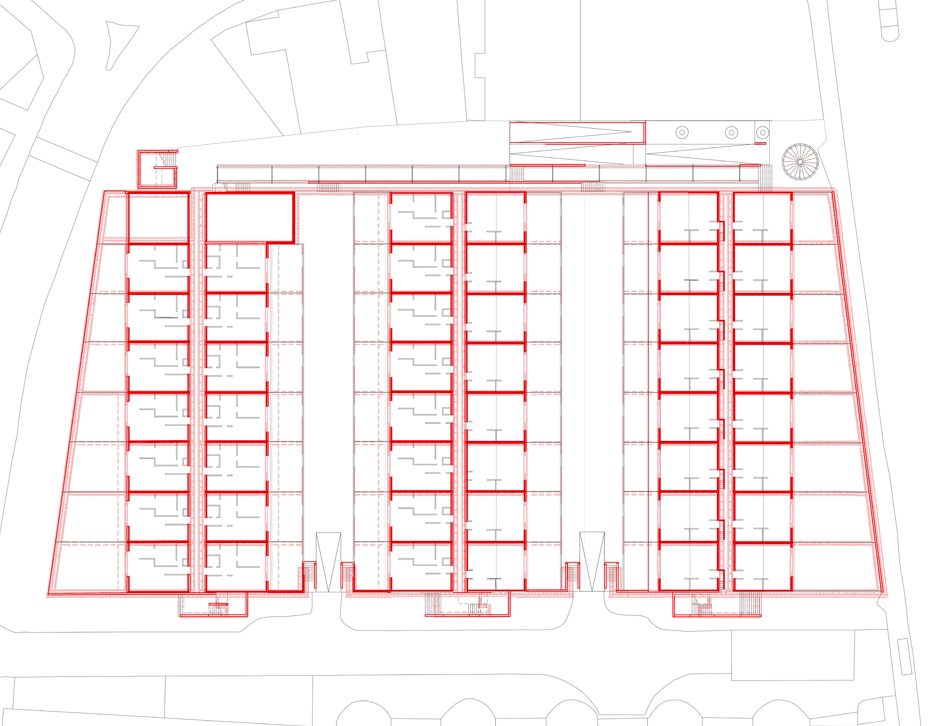
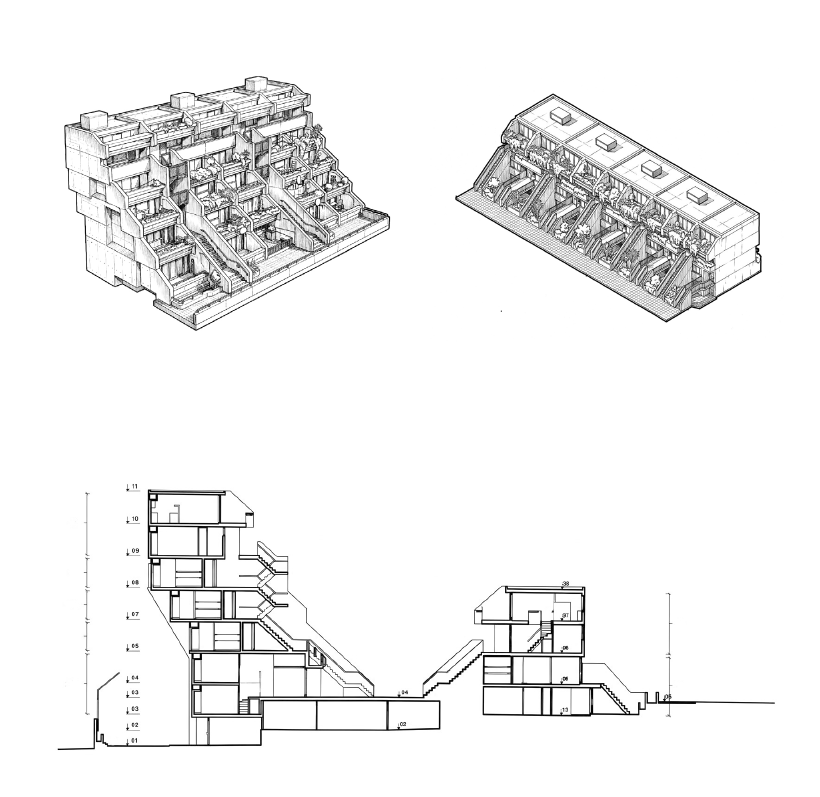
Focusing on Dunboyne Road Estate by Neave Brown, the research traces the motives behind its design: political context, social ambition, architectural form and its relationship to Camden’s wider housing programme. The estate is not studied in isolation, but positioned within a broader network of post-war London housing experiments addressing density, affordability and collective living.
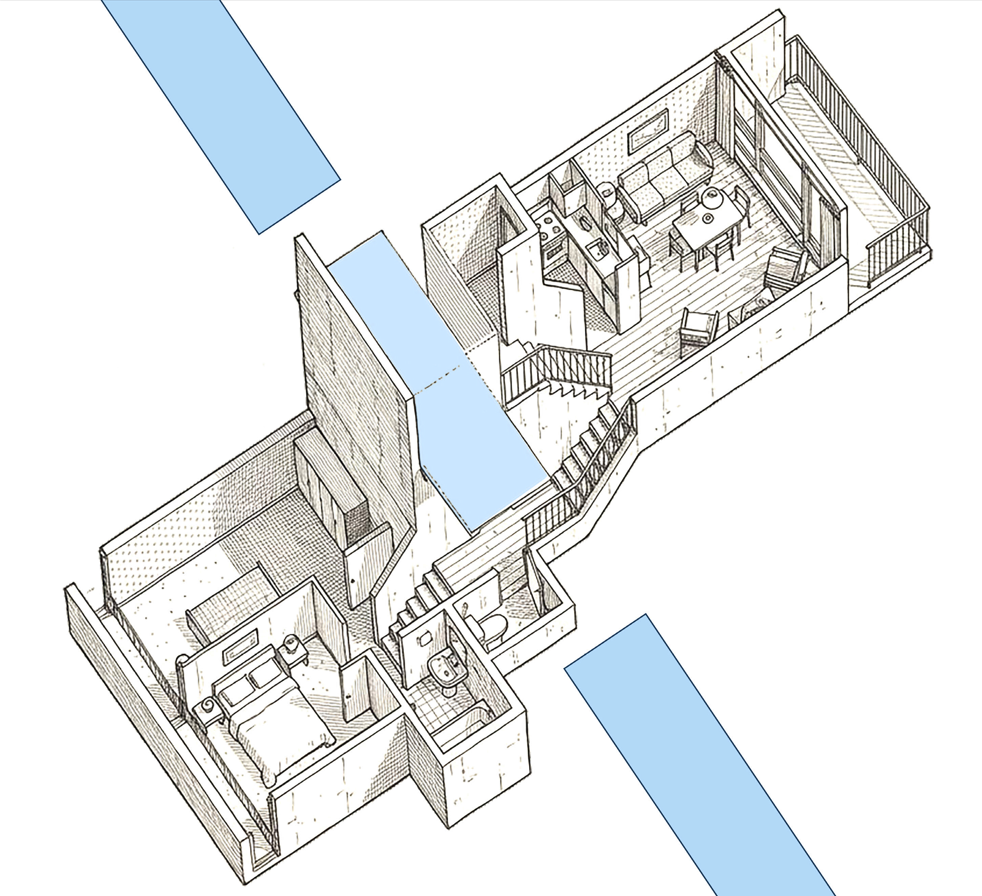
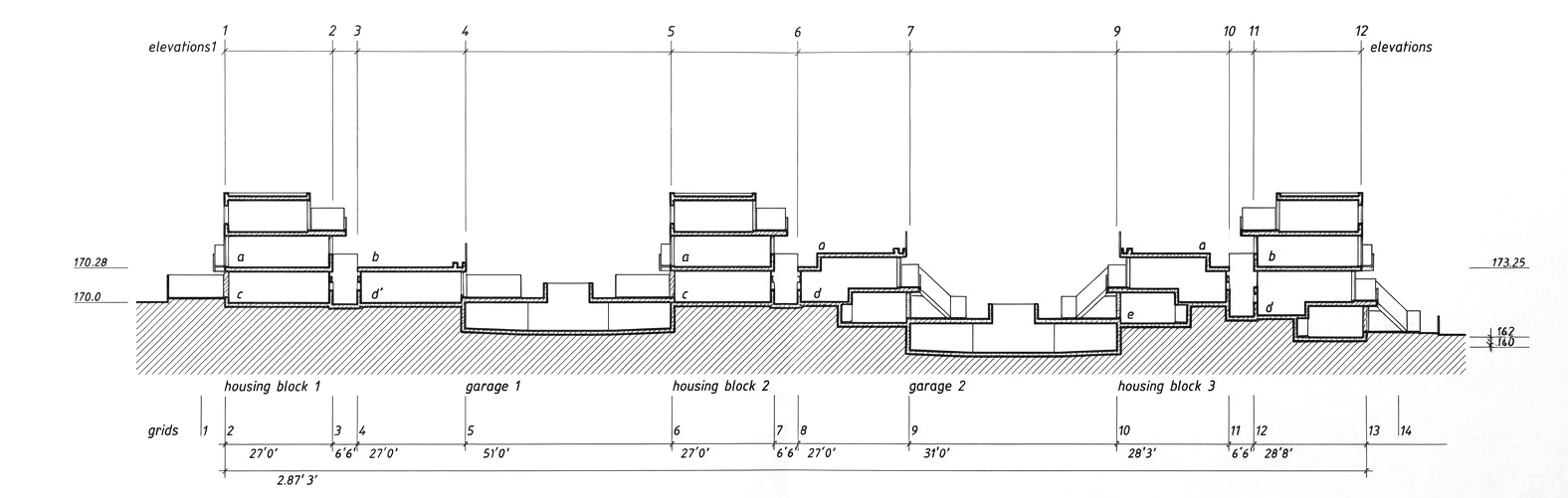
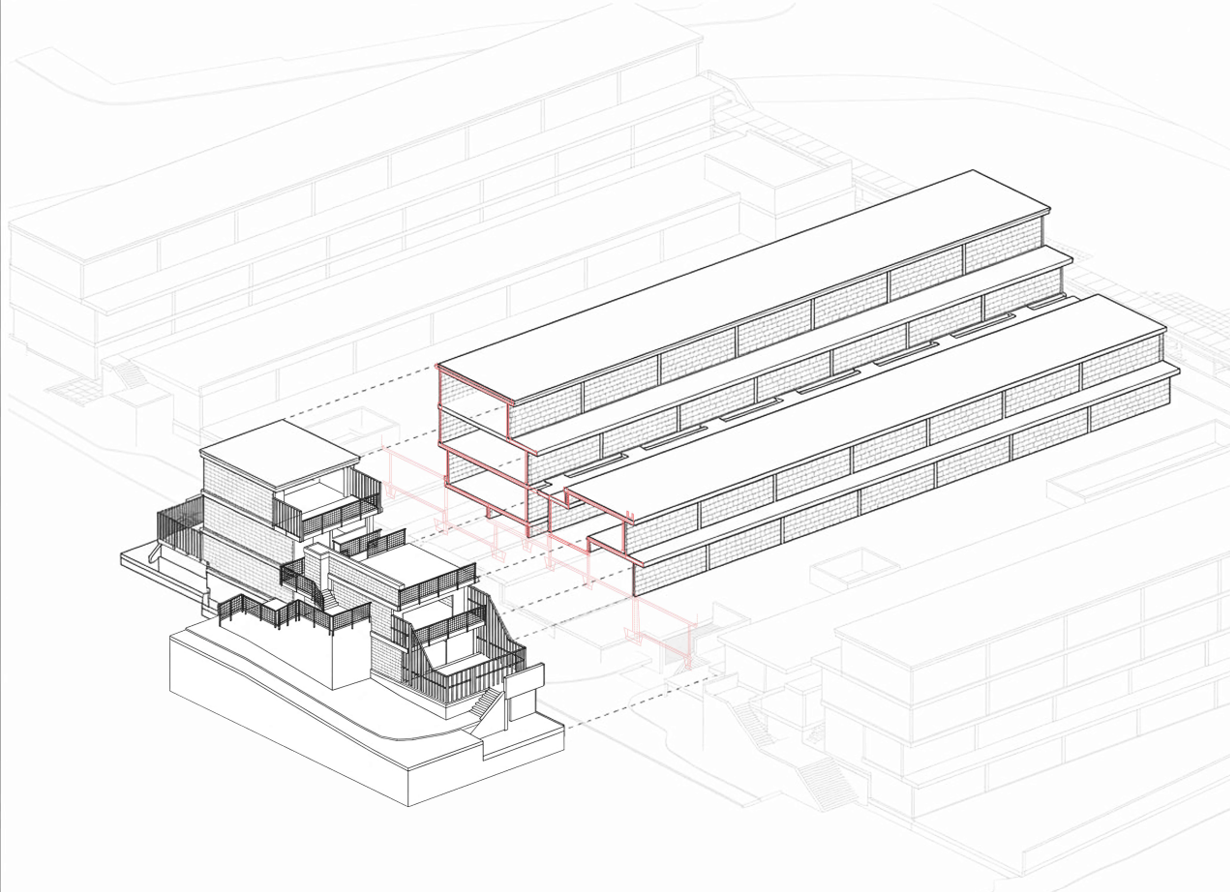
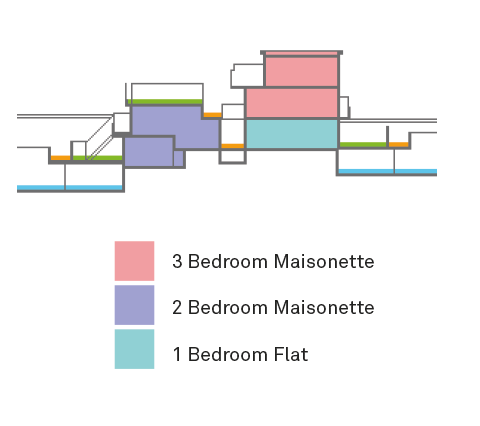
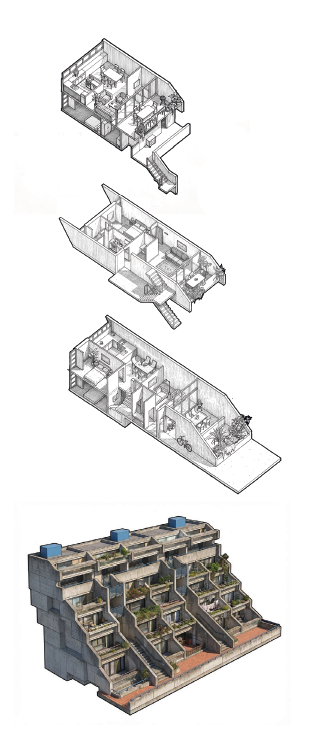
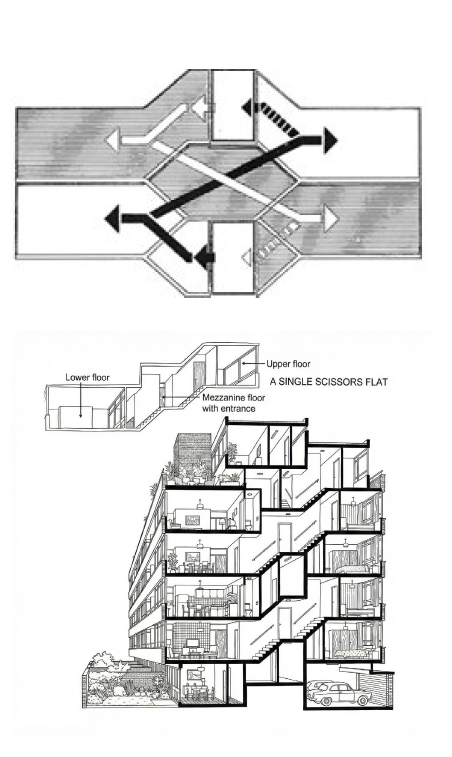
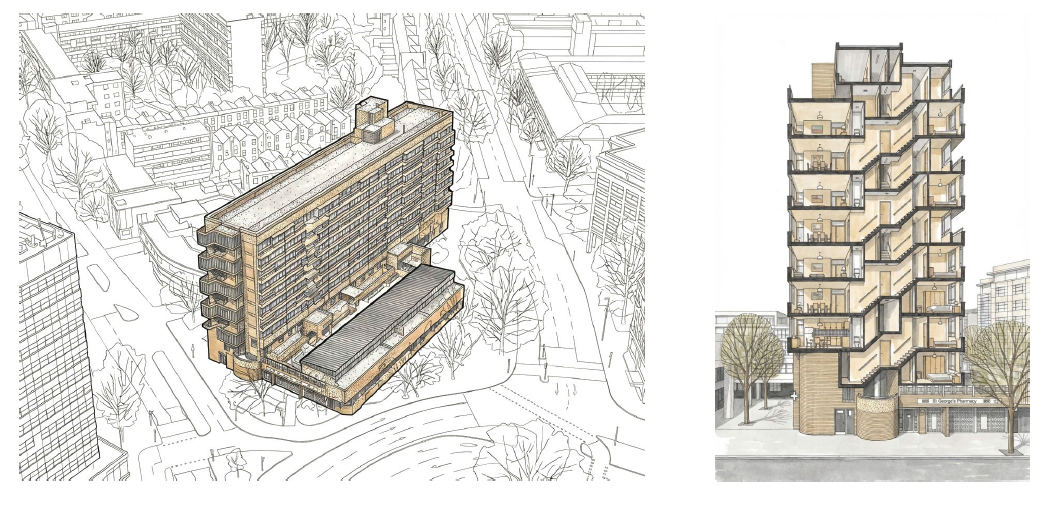
Through drawings, diagrams, visual analysis and written reflection, the project examines how housing form can communicate social values. It asks how stepped terraces, gardens, thresholds and circulation shaped the lived experience of Dunboyne, while considering its lessons for adaptation, reuse and more resilient urban housing.